
The Story of Marble Formation and Its Components
There is nothing overnight in this world. Just like the efforts of a human being who flourishes the fruit of their art or science through years of struggle, nature generously gives us the result of years and hundreds of inner changes and transformations as a shining jewel. And one of these generous and valuable gifts of Mother Nature is a marble. The beautiful stones that adorn our kitchens, bathrooms, hallways, and even the appearance of our buildings have gone through history to form and eventually emerge from our homes or hotels. But why does it take hundreds of years for this beautiful rock to develop underground with floating streaks like music notation? Or have you ever wondered why marble comes in so many different colors? If you are looking for answers to these questions, get ready for a minor chemistry and geology class.
How My Marble Forms
These beautiful marbles, which are found in various colors worldwide, result from the metamorphosis of limestone. In fact, marble is a metamorphic stone formed by the change and evolution of limestone under pressure and heat. It happens at a convergent tectonic plate boundary. However, some marble creates when hot magma heats limestone or dolomite. The calcite in the stone is recrystallized by pressure and heat. Therefore during hundreds of years, the rock texture has changed, crystals grow and interlock to give the marble a noble characteristic and unique appearance. The source material for marble, limestone, forms when calcium carbonate precipitates out of water or when organic detritus like shells, coral, and skeletons… accumulates. Maybe that’s why we even see traces of fossils among the layers of marble.
Other Minerals And Other Colors
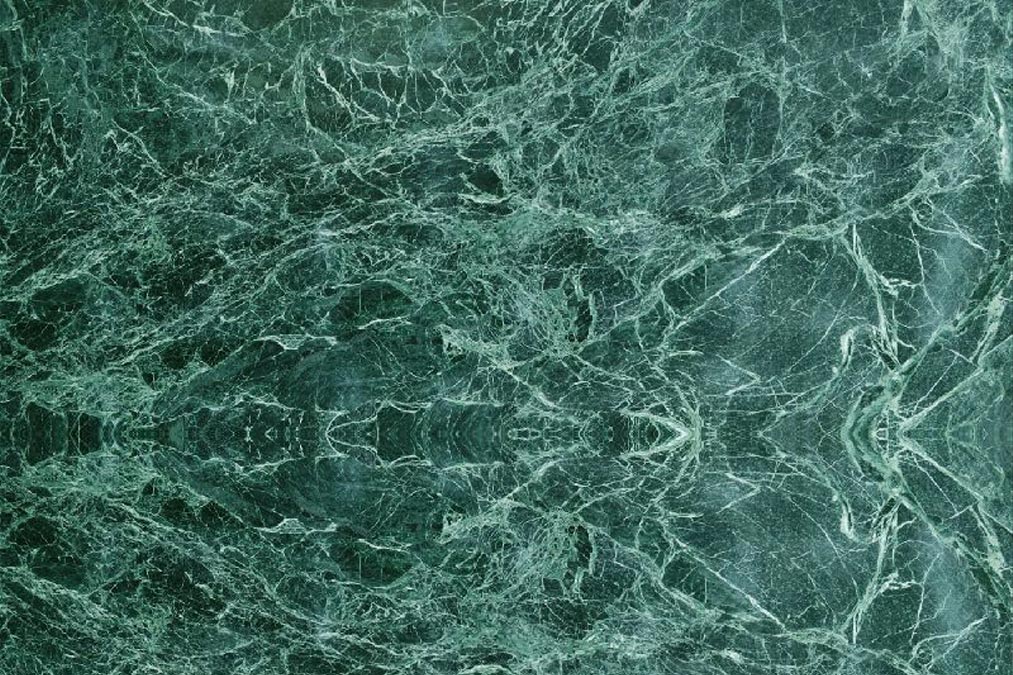
Of course, other minerals are also present in the structure of marble, including iron oxides, pyrite, graphite, and quartz. The amount of these minerals also determines the base color and veins of the extracted marbles, causing blue, pink, brown, green, or gray marbles to form. These minerals change during metamorphism as well. For instance, clay recrystallizes to form mica and other silicates. However, marble, in its pure form, consists of calcium carbonate. These marbles are white, but marble stones composed of a significant amount of bituminous material may be seen in black.
Finally, any well-polished carbonate crystal may be called marble among the general public or everyday usage. But from a geological point of view, marble is a metamorphic rock formed from limestone or dolomite. It is a beautiful gem that has preserved the history of geology and wildlife among its limestone layers.


