
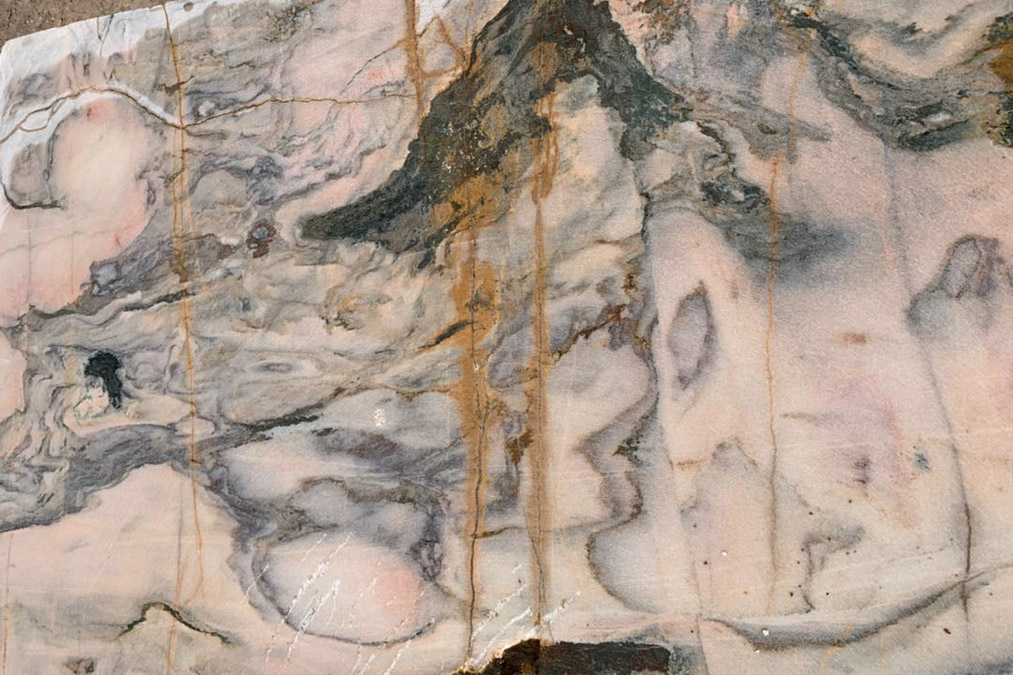
Is There a Way to Fix Marble Cracks?
Designers and experts all agree on one fact. Going with marble is a luxe material choice for countertops, tabletops, flooring, and all the other suitable places, undoubtedly. Still, some homeowners’ hearts break as a crack appears over the surface of a marble slab. Witnessing glorious marbles crack can be a hideous thing. However, it is not the end of the world. In fact, there are practical ways to face this issue. You may break a marble slab if it is too thin, of lower quality, or by dropping heavy things over it. So, what is the next step? What should you do to keep the crack from getting bigger or making it smaller? These questions point to valid concerns you may have. Hopefully, we are here to provide answers. With easy and practical steps, you may understand everything there is to know. All these hacks and tips have proved useful, so far.
Fixing a Cracked Marble Piece
Before fixing marble cracks, we should know if they are repairable or not. First things first, you may identify these fissures by running your finger across the surface. As long as the crack is not too deep penetrating the marble stone, your chances are high. Also, there should be no pieces lost or crushed. If so, like a puzzle missing a part, the final work would be incomplete. Now, you should know your required equipment and products to get them ready.
What you need for fixing marble cracks are:
- A nylon brush (it would better have stiff bristles)
- Acetone
- A sponge or cloth leaving off no fluff during usage
- Using this group of products, you should start by cleaning off the surface thoroughly. It is advised to wear rubber gloves and a face mask to protect your skin and lungs from exposure to hazardous fumes. Also, make sure air gets inside your workspace through a window.
Other products you would need include:
- Epoxy, marble repair cement, or other kits (clear epoxy is best for repairing marble cracks)
- Smooth fine-grit sandpaper to even out the epoxy layered surface
Note that you may find some tints to get the epoxy color closer to your marble tones.
- Experts suggest you should start by cleaning the surface. Once it is dry, you may proceed. Second, you should start making the epoxy or cement repair texture over a cardboard surface. Are you adding coloring tints to the epoxy? If so, you should first pour it in and then add the hardener.
- Spread the epoxy over the surface and push it deep inside the crack as best as you can. Next, you should wait up a good 15 minutes according to the instructions.
- Now, you may sand over the surface to get the desired smooth feeling under your touch.
You may find ready kits including all or some of the products you need for this procedure. All in all, the steps are clear and easy for most people to perform. Here in FaraStone we hope you have found these points useful.


