
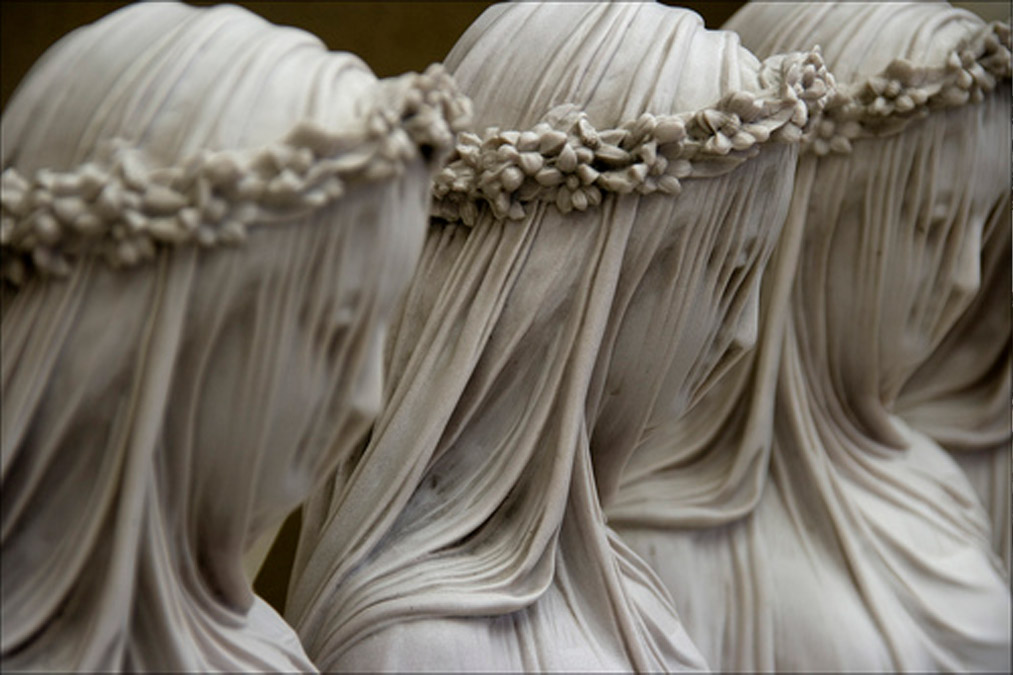
Marble Art Spotlight: The Veiled Lady by Monti
Natural marble stone and art are so intertwined that we can hardly separate them. Throughout time the human race has made many impactful artifacts by utilizing marble stone. How about we once in a while put some of these artifacts under the spotlight? Not only do these works of art bemuse us, but they also teach us innovative ways to exploit marble even today. Unique characters see the full potential of a block of marble stone and think of turning it into something even better. Raffaelle Monti was a passionate sculptor who had a request from a duke to follow the trends in using the techniques necessary to form a translucent veiled lady. The story behind this sculpture is one that passes from generation to generation. At this story’s core, we can see the significant role that the marble stone plays. Even a slab of stone, coming right out of a quarry, has a life to pursue over the earth. You may check out the marble stones and the quarrying process FaraStone has to showcase on the website. And who knows where these stories end and how we get dragged inside them?
How Did Veiled Marble Sculptors Become a Thing?
A hundred years before making the famous veiled lady, sculpting translucent figures out of marble became a thing in the 1700s. Of course, this technique involves a lot of visual illusions that trick us into thinking that the marble is see-through. However, other stones would never allow artists to perform such methods. The Duke of Cavendish was friends with another Italian sculptor who admired a veiled Christ carved by Giuseppe Sanmartino in 1753. He later admitted to the duke that he would be happy if he could lose ten years of his life in exchange for creating such a work of art.
Monti was not a fool to accept the deal with the duke. Though he was in his twenties, he had the benefit of learning his skills from his sculptor father. Later, Monti attended the Fine Arts Academy in Milan, as well. He took on the quest of making the veiled lady with a deposit worth £6,000 today. The work got 30 years of his precious life. But somehow, it was worth it all.
Afterward, Monti left London to join the Italian revolts against Austria. This single work remained in London on display for the elite as a motif of patriotism. It was a centerpiece perfect for discussion and debate.
The London Exhibition
Then, veiled marble sculptors became more and more popular. Few have yet not heard of the great London Exhibition of 1851. Three veiled sculptors took the stage there, including the Duke’s Veiled Virgin. For Monti, his art was his weapon. Had Monti any arguments, he found a way to reflect it into his works. By the end of the exhibition, nearly 6 million people had seen his art. One of his particular art pieces on the show was A Circassian Slave in the Market Place at Constantinople. Critics suggested he lured the audience by her veil. But surely, the work had much more to say about the political issues of Italy and Austria at the time.
Art and marble are never separated. Art has always been a powerful tool for expressing social ideologies. Therefore, we can infer that marble is a means for showcasing bittersweet emotions such as patriotism and profound values.


