
Marble in Holy Places
Holy places hold a place in people’s hearts. Often these places are soothing atmospheresto reflect on our lives. You do not have to be an overly religious person to appreciate their beauty. The atmosphere of these places can attract any spectator regardless. Therefore, followers have come up with ideas to use the best materials to make their holy places unique. One such material is marble stone. Today, we are well-equipped to quarry these stones with fewer risks. You can check out FaraStone’s quarries, as well. We need to know that before, marble stone was a delicacy. Few could get their hands on a slab of it. Here we will explore some holy places that contain marble stones to some level.
The Duomo of Milan, Italy
The completion of the Milan cathedral took nearly six centuries. The stonework is unique and eye-grabbing on this site. Marble plays a prominent role here, as well. The outside of the place has decorations with 135 marble spires. Inside, fifty-two marble columns hold up the structure. Together with the glass windows and other decorative elements, this holy place stands out. The unique marble of this cathedral is the pink marble of Candoglia. The marbles of this kind were extracted from the 14th century onwards. In a sense, it resembles pink nebula marble, a stone you can find in FaraStone company at a reasonable price.
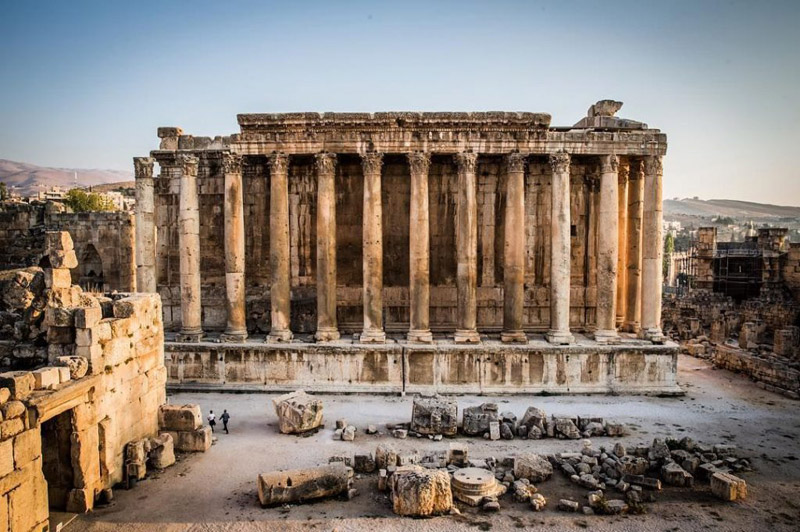
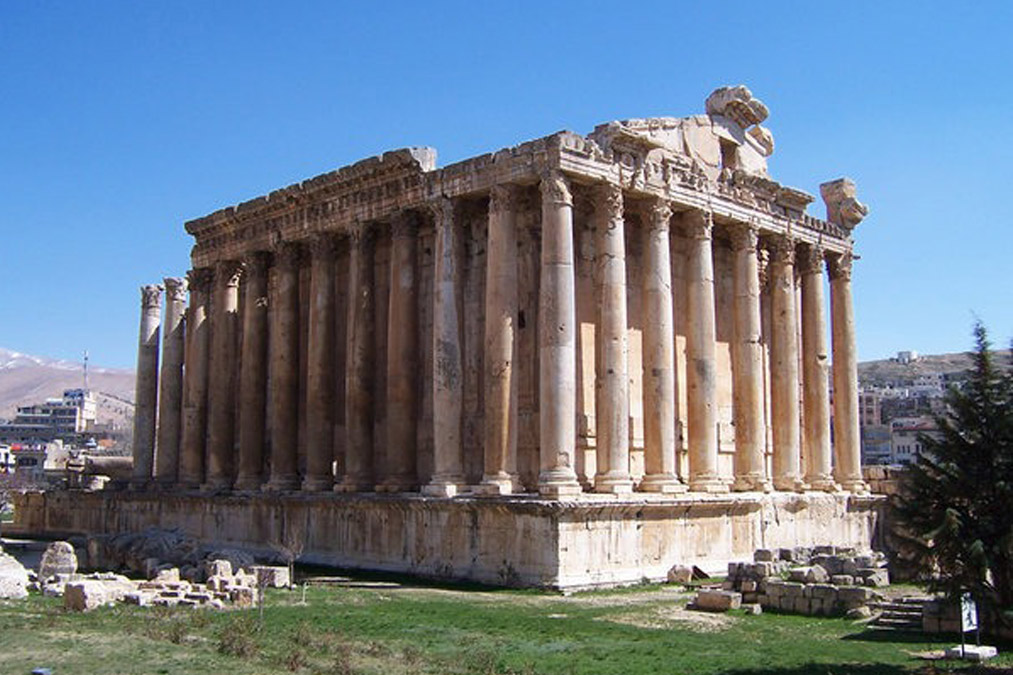
Jupiter Temple, Lebanon
The Jupiter temple in Baalbek city dates back to the first century. Over the years, the temple has seen many religions occupying it and using it to worship their divine powers. However, the original site was made to commemorate the Canaanite Period God. Its establishment was during the bronze age. Romans also thought it to be a prominent religious place after Alexander the Great conquered the temple. Later, Muslims believed the site to be Solomon’s temple. They attributed the heavy stones to the works of the djinns. Anyhow, they say its gates used to be made with white marble. However, the remaining of the place are very few. But the marble columns stay to this day. A work of wonders fascinates any spectator.
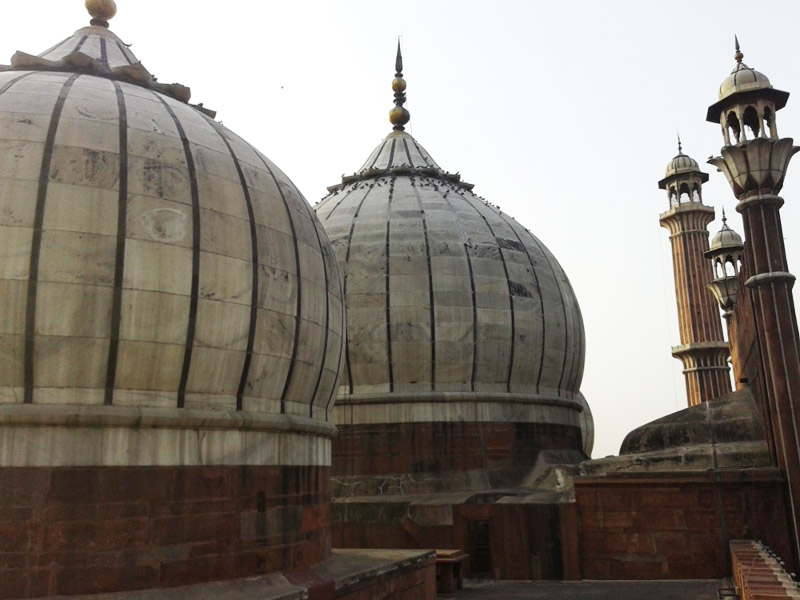
Jama Masjid of Delhi, India
Islamic architecture, like Jama Masjid in Dehli, utilizes marble stones. In this mosque, Muslims gather mostly to say their weekly prayers. Some of the marble stones in this holy place are in its three marble domes. These white marble domes rise from the prayer hall’s roof. The final scene is worth admiring for hours. Overall, Islamic traditions in Iran, too, are fond of using marble stones in their structures. The marble stone can either make the façade or cover the flooring. Only the best for holy places seems to be the motto of Islamic architecture. The materials come from nearby marble quarries as the east is home to many wonderful hidden gems.
Marble stone seems like a popular option for holy places. People have long considered temples, shrines, and mosques as a place of gathering to admire the bounties God has provided them. Therefore, it is only fair to reflect this beauty into these structures, as well. As a result, people go for the best materials, as hard as they may be to reach. Natural marble stone seems to be on top of the list of the builders of these sites.
• https://www.cntraveler.com/galleries/2016-03-18/the-most-beautiful-churches-in-italy
• https://en.wikipedia.org/wiki/Milan_Cathedral
• https://en.wikipedia.org/wiki/Baalbek
• https://www.pilotguides.com/articles/baalbeck-city-of-the-sun/
• https://www.newyorker.com/tech/annals-of-technology/baalbek-myth-megalith
• https://www.britannica.com/place/Jami-Masjid-mosque-Delhi-India
• https://www.cntraveler.com/galleries/2016-03-18/the-most-beautiful-churches-in-italy
• https://en.wikipedia.org/wiki/Milan_Cathedral
• https://en.wikipedia.org/wiki/Baalbek


