
Marble Stone and Translucency: Beaux-Arts Museum in Nantes
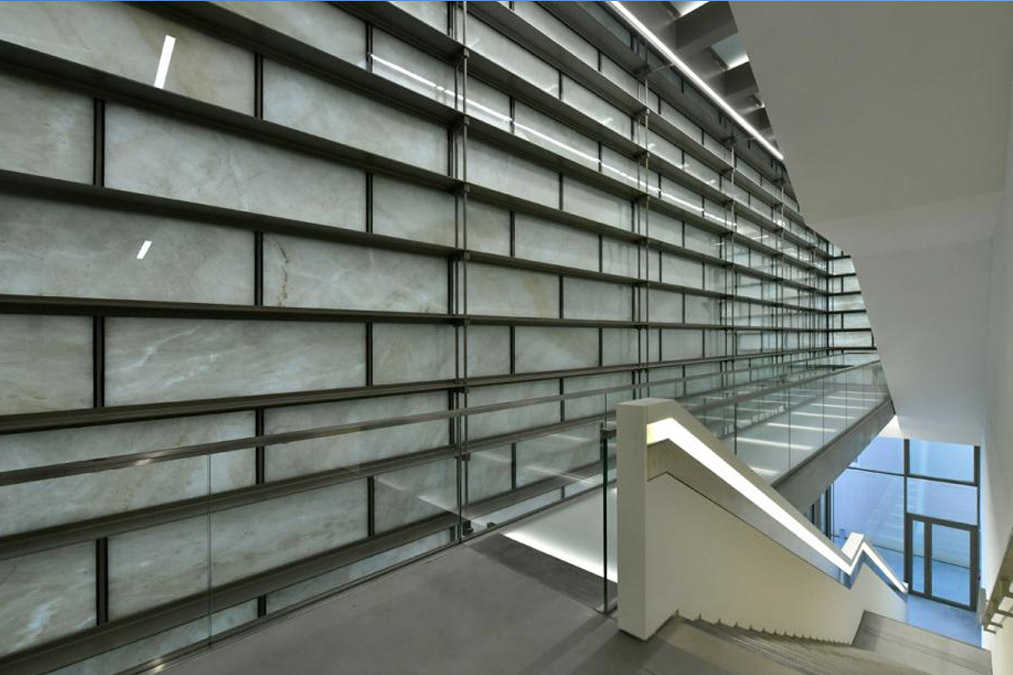
Marble goes well with most other materials. This reason is why many art galleries and architects try to play with marble. They put marble stones next to different materials such as other natural stones, wood, metals, and in this case, laminated glass. The marble gallery at FaraStone’s website will show you more stones to consider next to other materials. In this structure, the glass helps the light to penetrate the interior space. The marble stone, in return, reflects this light and helps create an open space in general. The Beaux-Arts museum in Nantes has renovated buildings added to it. One part of this renovation has a wall covered in marble stone alongside laminated glasses.
The Marble Facade, Shining Night and Day
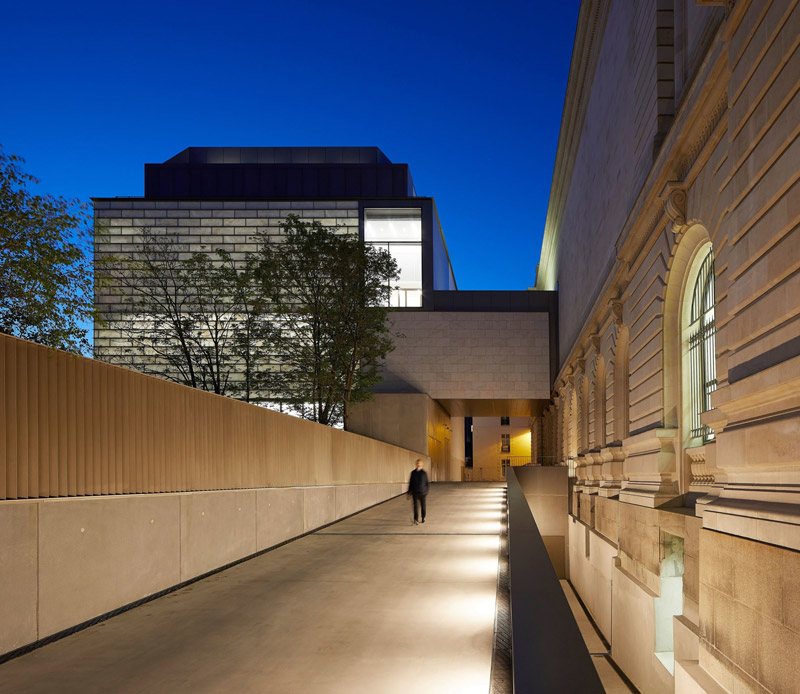
The extensions and renovations of the Beaux-Arts museum in Nantes include a monolithic structure. This building is covered in light-colored marble stone. This light color invites the sunbeams inside and shines at night. Moreover, this façade is backlit. Therefore, the installed lights from within will reflect the light to outer space. The final image of this structure at night resembles a lantern. It guides the city visitors and helps them remember where the museum is located. Like a shining star, its light catches the eyes from further away.
Who Came up with This Design?
The project was designed by the London-based studio, Stanton Williams. They took the overall theme of this museum into account while designing these extensions, including the marble building. Part of the design in the original museum was influenced by the Louvre museum. It had a skylight to welcome the shining sun into the interior space of the structure. Stanton Williams took this idea by heart. They decided to settle for a design that took the theme of light seriously. Therefore, they managed to come up with a design using marble stones. However, the built-in features of marble are at the core of this decision-making.
Marble and Light
Marble can pass light through it. Of course, this depends on the thickness of the slab of stone. But the designers at Stanton Williams chose the exact measurements to allow light to travel through the stone. In the morning, the stone passes the light of the sun in the French city through it. At night, the backlit wall pushes the light into outer space. Therefore, the general idea is to play with light.
A Marble Walkway; Connecting the Past and Present
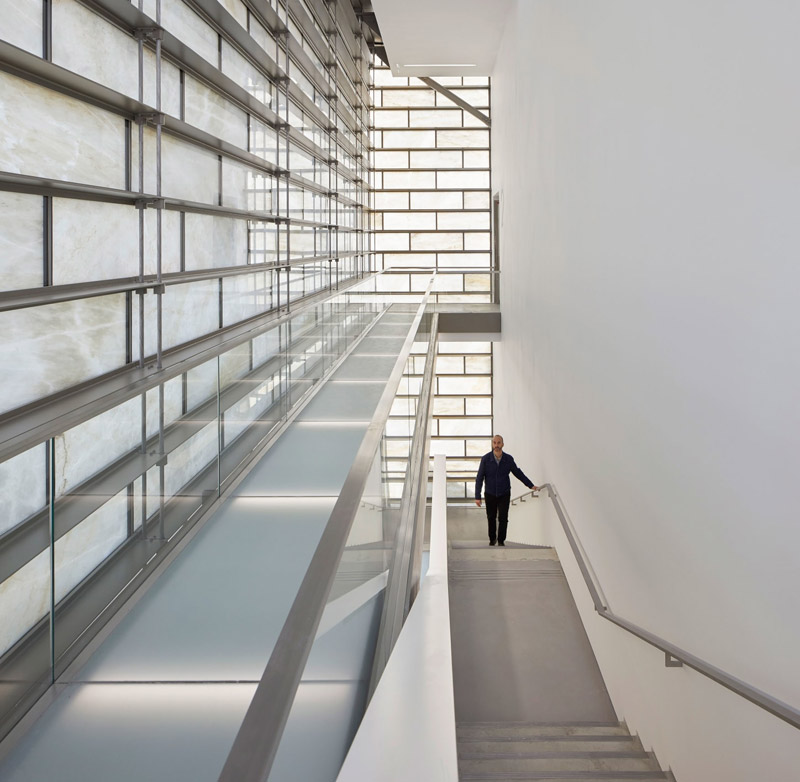
This marble façade building is to echo the material world we are living in. This materiality includes everything from the main structure to the surrounding buildings. In a sense, it takes us where distinguishing the time between now and the past is fading away. The façade has a bridging gap that connects the two worlds. Inside the cube, there is a walkway next to this marble and glass façade. Those who pass this space see the light coming through that highlights the veins of the stone. At night, too, this ambiance is persevered but from the light that comes from within.
So, we can see why and how marble is a versatile element. You could enjoy its glory next to almost any other material, both human-made and natural. All it takes is to investigate the works of pioneers and reflect your ideas upon them to come up with newer and stylish designs. Marble stone can deliver what you have on your mind.
Resources:
https://www.dezeen.com/2017/06/28/stanton-williams-completes-renovation-beaux-arts-museum-nantes-architecture-cultural-france-extensions/
https://www.architectmagazine.com/project-gallery/musee-darts-de-nantes_o


