
What ancient cultures used natural stones such as marble?
Throughout history, marble has been the number one choice of different nations. Along with bronze, clay, and wooden monuments and art pieces, marble works have been popular. Various regions of the world are now historical sites encapsulating ancient stoneworks. Many of archeologists’ findings in these sites are now a source of inspiration and astonishment. Mesopotamia is one such place. It is the location which now we recognize as Iraq and parts of Iran, alongside Turkey, Syria, and Kuwait. Back then, the borders that today we refer to were much less prominent, if not inexistent. Also, the Greeks have long loved and used marble stones in their artworks and structures. There is for sure one thing all these nations had in common. They all appreciated the glamor and unprecedented characteristics of marble stones.
Mesopotamia
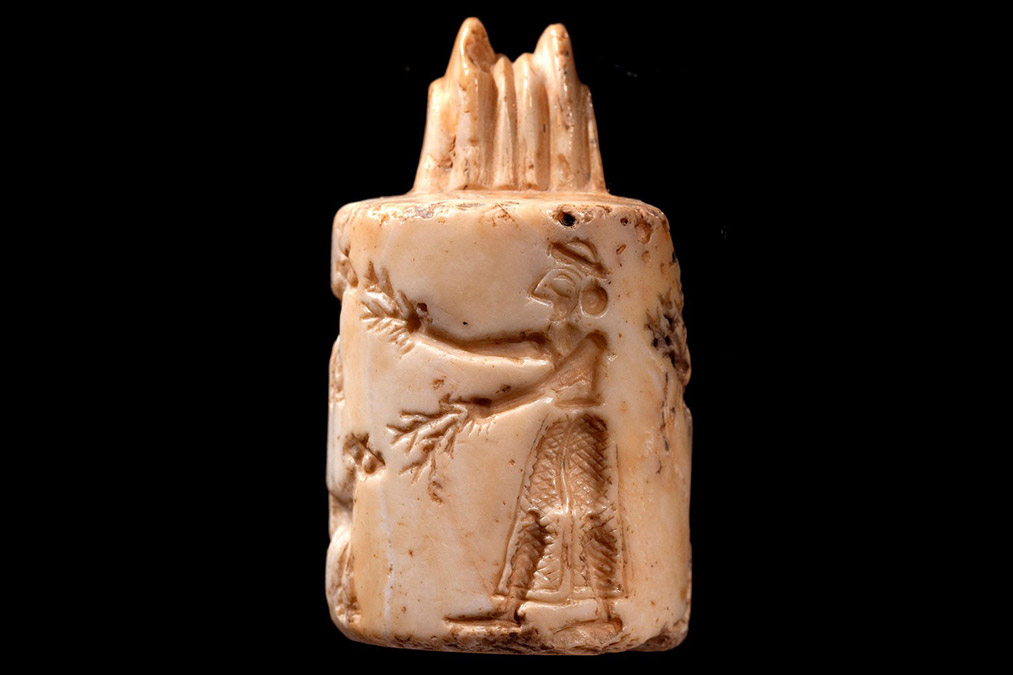
This region is now home to many modern-day countries, as was mentioned. The Sumerians were also the residents of southern Mesopotamia. And they were not only the first inventors of the wheels but also admirers of marble stones. Overall, the people in this area created artifacts with natural stones that represented flora and fauna. However, there were anthropomorphic figurines found, as well. A lot of these natural stones they used were marble stone, limestone, and such. The source of these stones has traces inside the mountainous regions in the northwest, north, and eastern borders of the region. Many of these stones are identified to be from Iran, Anatolia and Oman.
Greece
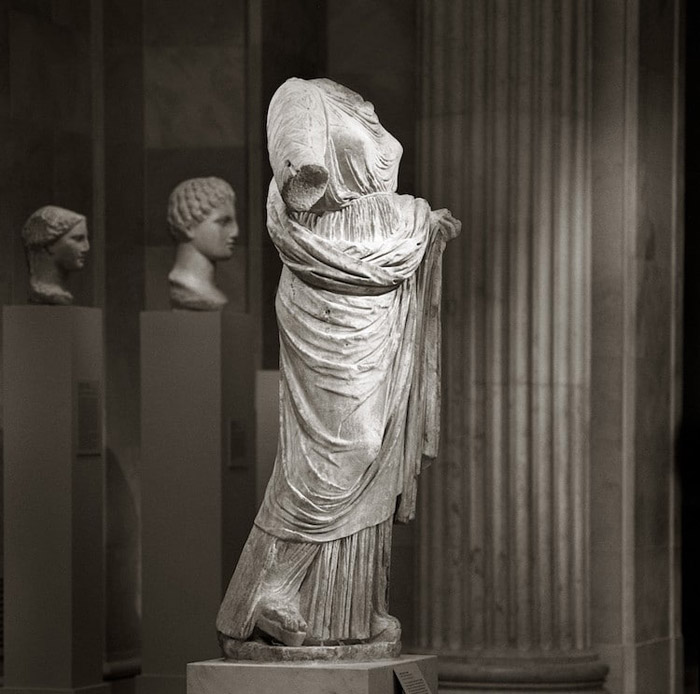
Greece is another ancient country with a rich history in using marbles. The classical period (500 BCE to 323 BCE) in Greece tends to present us with more realistic figures than the archaic period. Nevertheless, their art of using marble and natural stones seem to be getting better in time. So, in classical times they mastered the art of depicting fabrics in their marble sculptors.
The Hellenistic period (323 BCE- 31 AD) recorded the dominance of marble art. The figures were as naturalistic as possible. The depictions of their gods and goddesses now remain for the modern viewers. They used realistic human figures in the process. The results are the living, if we may say, proof of this claim.
Iran
Next on our list is the ancient civilizations inhabiting the region we call Iran. Though parts of ancient Persia now have formed independent countries throughout time. But the ancient Iranians have been proficient at gathering stones and using them to make different things. The remaining marble and other natural stones have been found in historical sites such as Pasargadae (the tomb of the great Cyrus, and Persepolis. Although, marble used in these sites is a fragile kind.
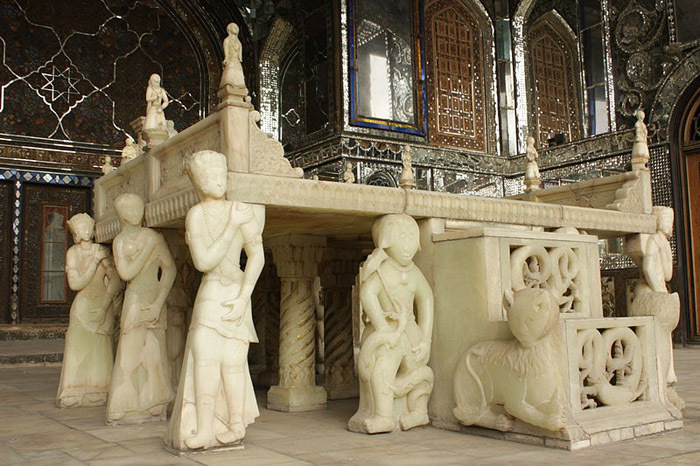
Later, there came more prominent tools to both quarry and carve these stones. With the technology came more artifacts. The marble throne is one such monument. This sculptor is located inside the Golestan Palace in Tehran. The yellow marble is said to have traveled far from Yazd province’s quarries. Reza Shah, one of the kings of the Pahlavi dynasty, was the last to be coronated on the terrace of this marble throne.
How Marble Sculptures Have Inspired Artists and Captivated Audiences for Millenia
https://www.jstor.org/stable/4200300
https://www.themorgan.org/exhibitions/founding-figures


